Why we publish every lot, including the boring ones

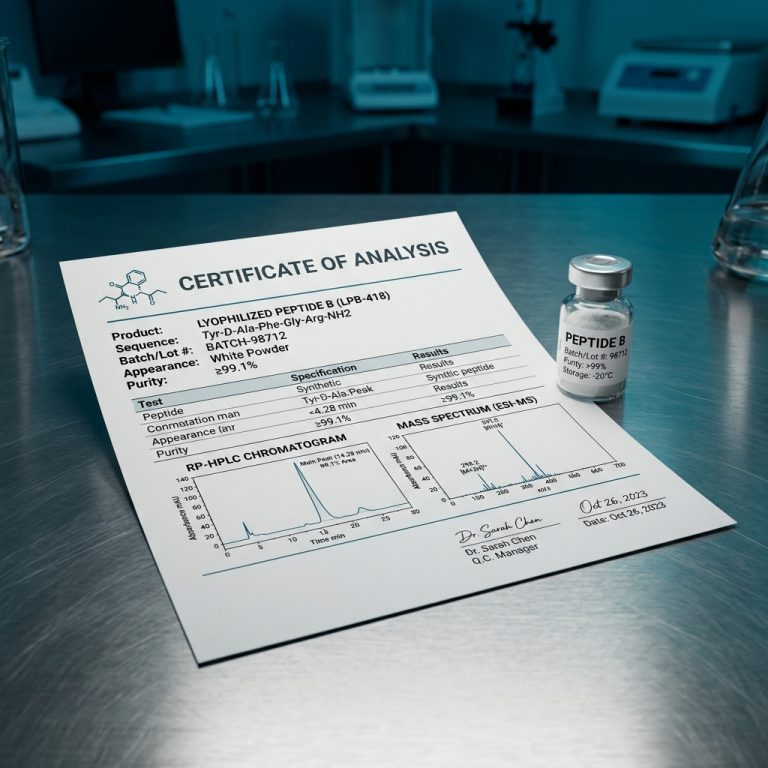
Publishing a Certificate of Analysis is a low bar. Nearly every supplier in this category will send you one on request, and most will show you a representative certificate on the product page. Our position is that “representative” is doing something dishonest.
The problem with a representative COA
A representative certificate tells you what a good lot from this supplier looked like at some point. It tells you nothing about the lot in your hand. If a supplier publishes one certificate per product and quietly rotates it when a better result comes in, the document has become a marketing asset rather than a record.
What we do instead
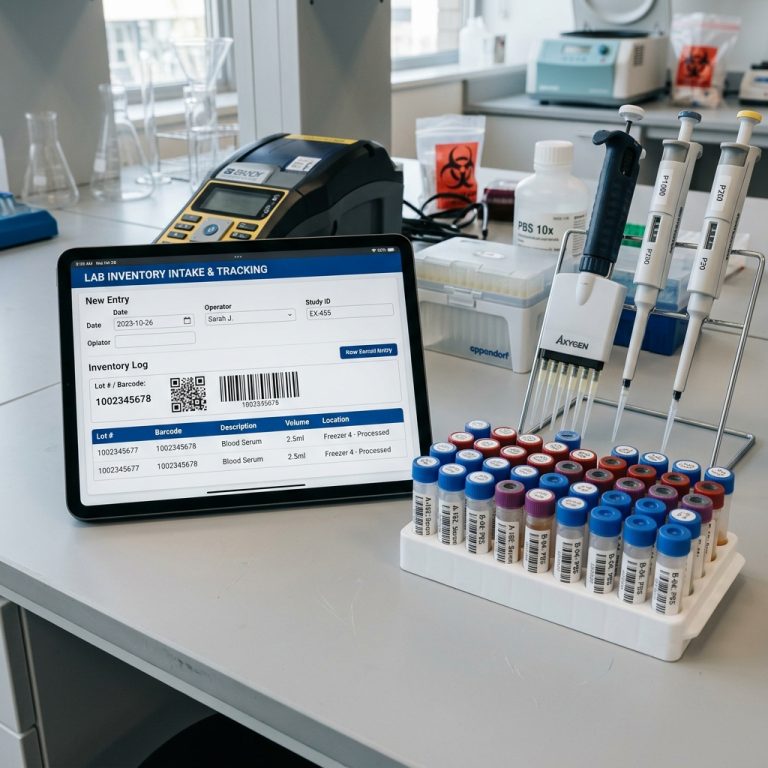
Every lot gets its own record, its own permanent URL, and its own entry in the public Lab Results index. Lots stay published after they sell out. There is no mechanism in the system for hiding one, because we did not build one.
The practical consequence is that the archive is auditable. You can look at every lot of a given compound we have shipped, in order, and see the spread. That is a stronger claim than any single certificate, and it is a claim that gets harder to fake over time rather than easier.
Indexed, not gated
Our lab results are public and open to search engines. No account, no login, no email capture. Gating a quality document behind a lead form communicates that the document is a marketing asset, which returns us to the first problem.
What this costs us
Honestly: some flexibility. A public, permanent, complete archive means that a lot which came back at the low end of specification is visible alongside the rest of them. We think a supplier unwilling to show you that distribution is not really showing you anything.