Recordkeeping for research-use materials
Research-use-only material carries documentation obligations that are easy to defer and unpleasant to reconstruct. The work is almost entirely front-loaded: what you capture at intake determines whether the record is useful later.
Capture at intake
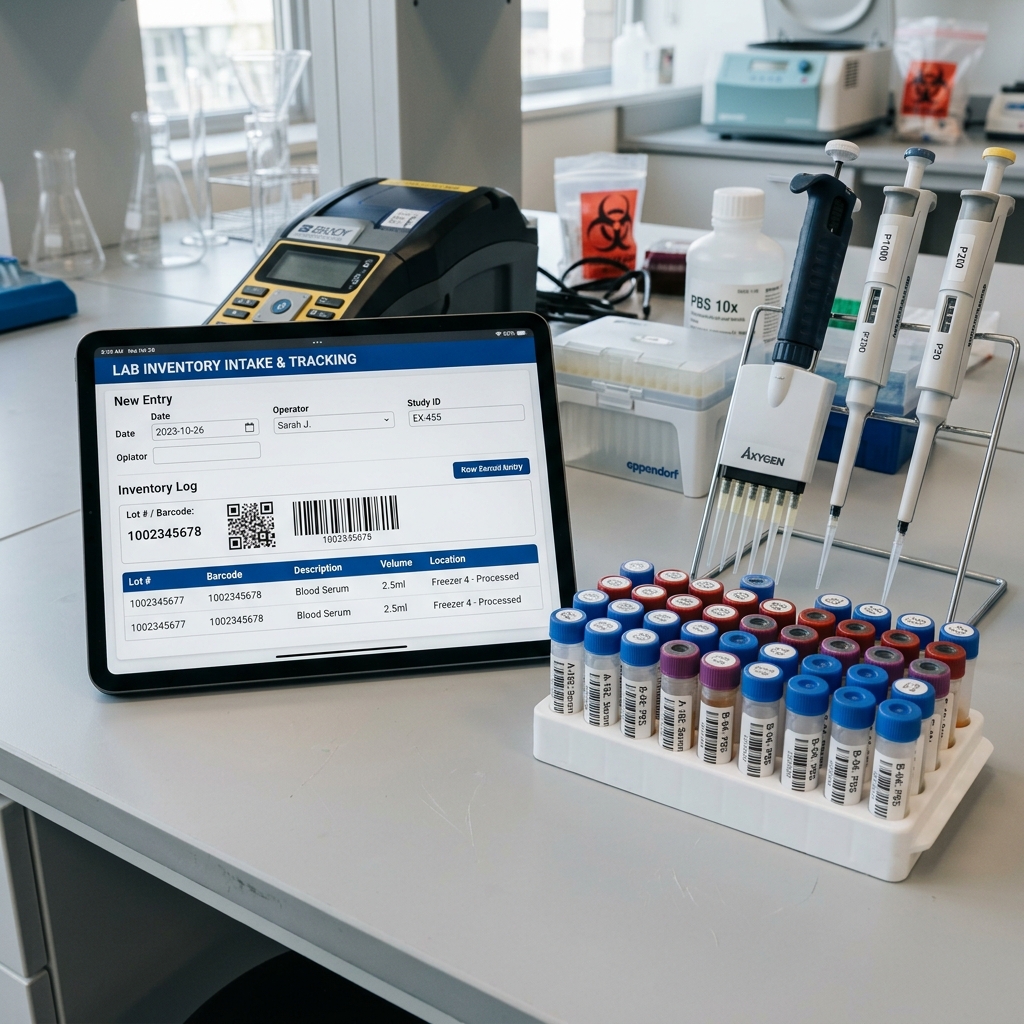
When material arrives, before it goes into storage, log:
- Compound name and supplier
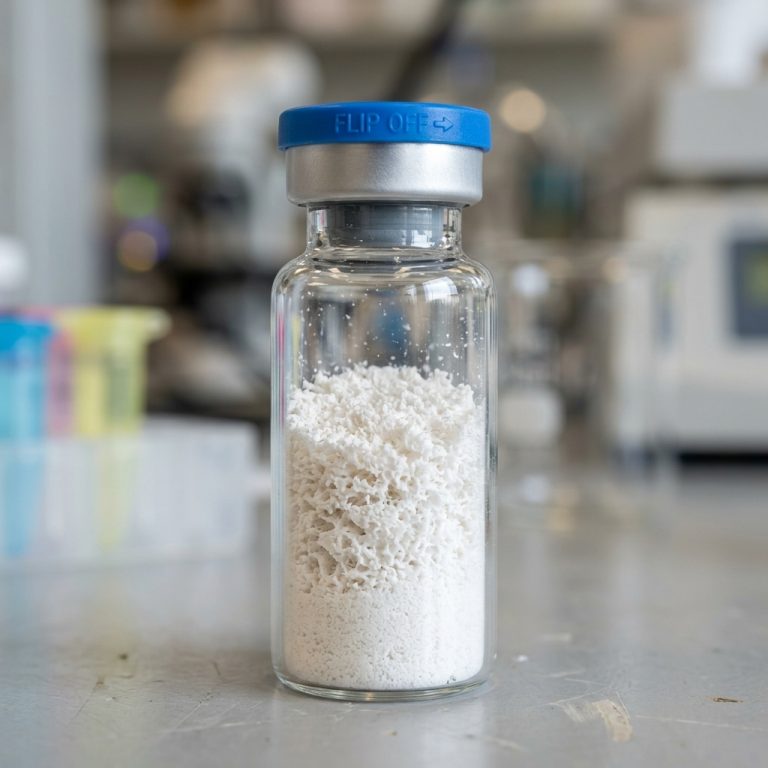
- Lot number — transcribed from the vial, not from the invoice
- Date received and condition on arrival (was the cold pack still cold?)
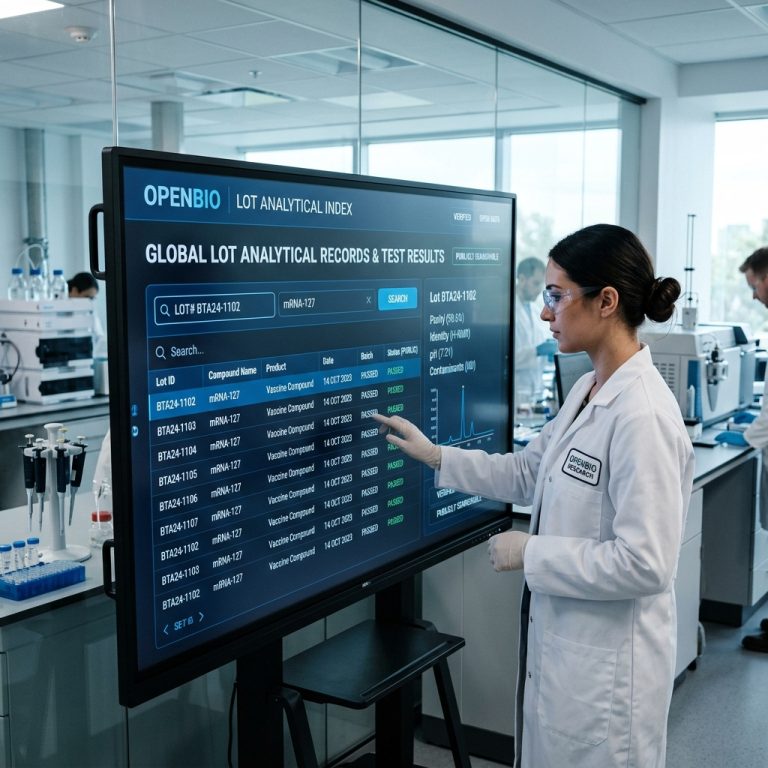
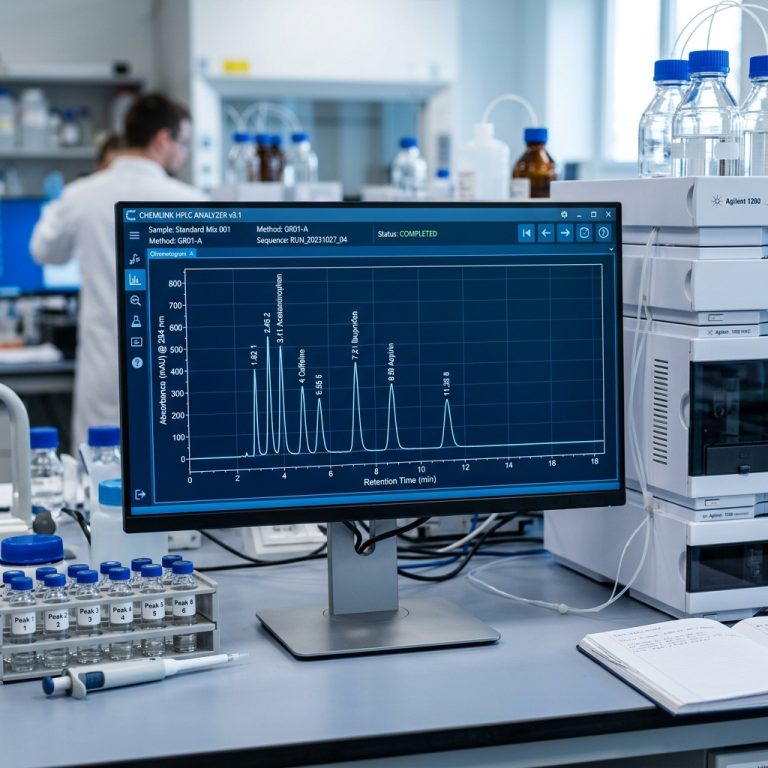
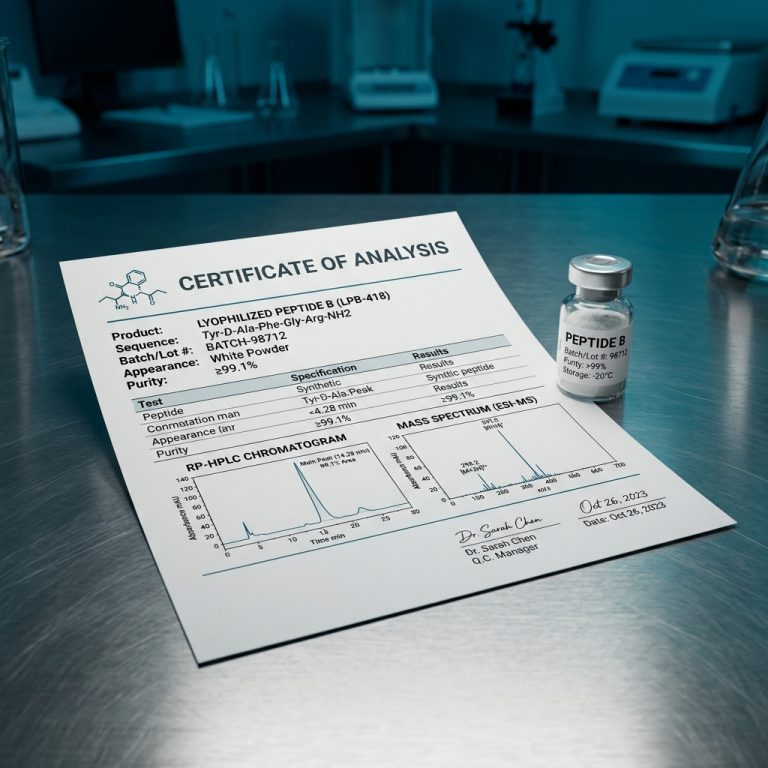
- A saved copy of the Certificate of Analysis
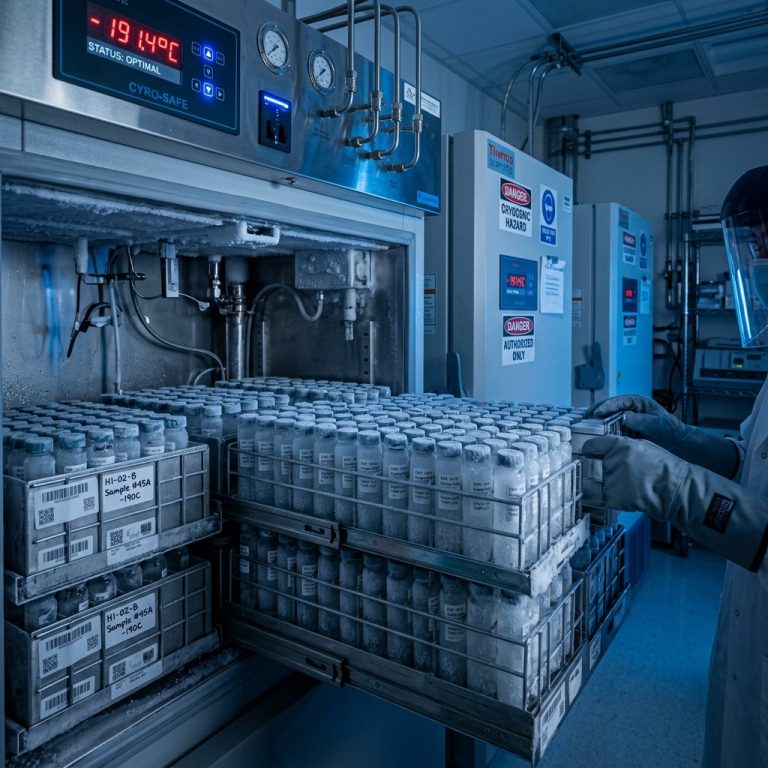
- Storage location it went into
The lot number is the primary key for everything downstream. Without it, a certificate and a vial are two unconnected objects.
Log at reconstitution
Reconstitution is where one traceable object becomes several, and it is the most common place traceability breaks. Record the date, the diluent and volume used, the resulting concentration, how many aliquots were produced, and where they went. Label aliquots with the parent lot number — not just the compound name.
Why traceability earns its keep
The obvious case is an audit. The more common case is an anomalous result. When an experiment produces something unexpected, the first useful question is whether the material was what you thought it was. If you can walk from the result back to an aliquot, to a reconstitution record, to a lot, to a certificate, you can answer that in minutes. If you cannot, the material becomes an uncontrolled variable and the experiment is difficult to defend.
Retention
Keep certificates and intake records for as long as any work depending on that material might be examined — which is usually longer than the material itself lasts. Storage is cheap; reconstruction is not possible.
Make it boring
A recordkeeping system that requires discipline will fail. One that is a two-minute step at a fixed point in an existing workflow will hold. Attach intake logging to unpacking, and aliquot labelling to reconstitution, and the record maintains itself.